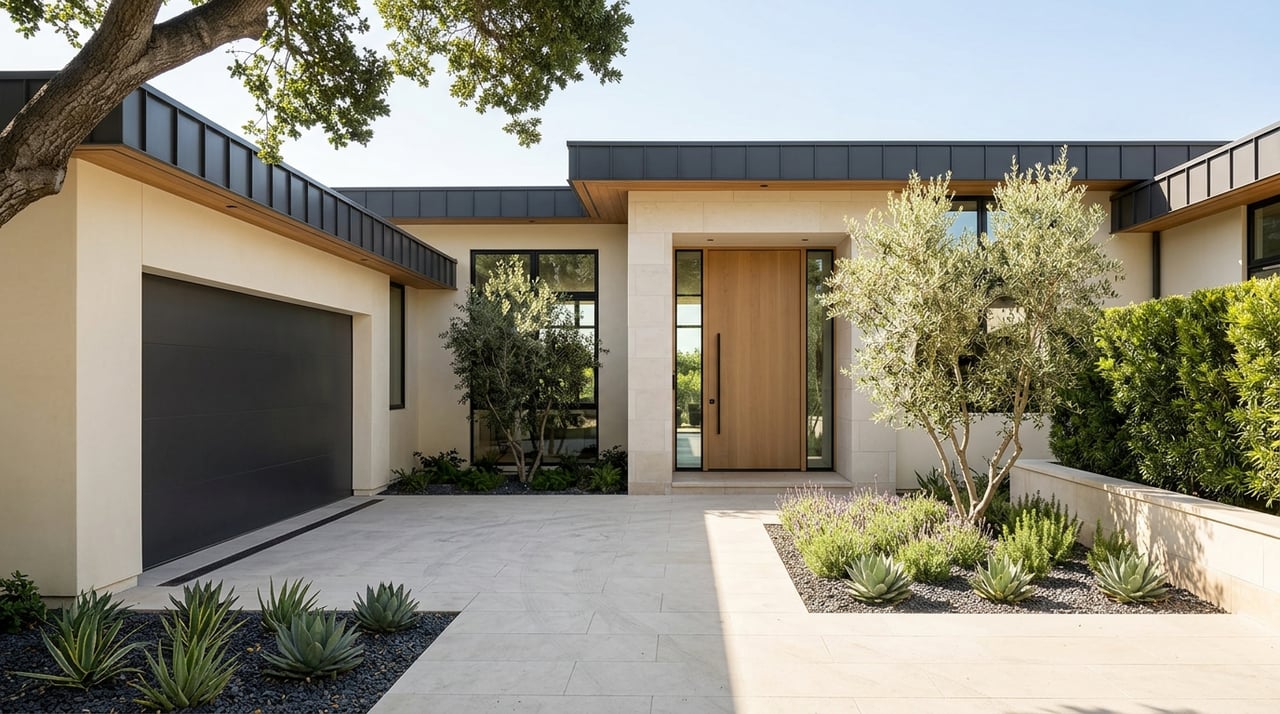
If you are thinking about buying a luxury property in Calabasas, you may be asking a smart question: can it work as a second home and a long-term rental asset? In a market where home values are high and inventory is limited, that question matters. The good news is that Calabasas can offer real potential if you understand where the opportunities are, where the limits are, and how to match your goals to the market. Let’s dive in.
Why Calabasas Fits Luxury Ownership
Calabasas is not a broad, budget-friendly rental market. It is a primarily residential city of about 13.3 square miles, located roughly 22 miles northwest of downtown Los Angeles, with a housing profile that strongly supports luxury ownership and selective high-end rental demand. According to the City of Calabasas city profile, about 69% of housing is owner-occupied, the median household income is $157,938, and nearly 60% of occupied homes are valued at $1 million or more.
That local makeup matters if you are evaluating a second home or rental strategy. Calabasas has a large share of spacious homes, with 46.3% of occupied units offering four or more bedrooms. In practical terms, this tends to support demand for larger, private homes rather than smaller, high-turnover rentals.
Rental Inventory Is Limited
One reason Calabasas stands out is that rental supply is relatively constrained. The city’s housing resources page shows that major rental inventory is concentrated in a relatively small group of apartment communities, while much of the broader housing stock remains owner-occupied.
That creates a different landscape from markets with heavy apartment construction or abundant investor-owned inventory. Calabasas also notes that high land costs and limited developable land make new housing difficult, and the city’s 2021-2029 Housing Element allocation is 354 units. For you as a buyer, that points to a market where scarcity is an important part of long-term value and rental positioning.
What Rental Pricing Looks Like
Rental pricing in Calabasas spans a wide range, but the high end is clearly meaningful. The city reports a median gross rent of $2,476, while 30% of renter households pay $3,000 or more per month, according to the city’s demographic information page. That gap suggests a mix of more conventional rentals and a more expensive detached-home segment.
Current asking data show just how far the luxury segment can extend. Realtor.com’s Calabasas market overview reported a median asking rent of $6,875 in March 2026, with 66 rentals active and a median 43 days on market. The same report noted neighborhood-level median rents of $7,500 in Greater Mulwood and $6,950 in Calabasas Hills.
That said, it is important to keep expectations realistic. The same source shows median rent down 6.46% year over year and median listing price down 12.64% year over year. For many luxury buyers, this means Calabasas should be viewed as a market where rental income may help offset carrying costs, but not one where yield alone drives the decision.
What Return Expectations Really Mean
Using Realtor.com’s median asking rent and median listing price, the rough gross rental return comes out to about 4.1% before financing, vacancies, taxes, insurance, HOA dues, and maintenance. That is a useful starting point, but it is not the same as net return or cash-on-cash performance.
In luxury markets, this distinction is especially important. Acquisition costs are high, and operating costs can be meaningful, so your financial picture depends on much more than headline rent. If you are buying in Calabasas, the strongest case is often a property that serves your lifestyle first, while also offering compliant long-term rental potential when you are not using it.
Best Use Cases for Second Homes
For many buyers, the most compelling Calabasas strategy is not constant rental turnover. It is buying a well-located luxury home that can function as a personal retreat, a future primary residence, or a high-quality long-term lease when needed.
The local housing stock supports that approach. Because so many homes are large and owner-occupied, the city is generally better suited to these use cases:
- A luxury second home with occasional long-term rental use
- A single-family home positioned for executive or family leases
- A primary residence with future flexibility
- A property with an ADU that may provide supplemental long-term income
This aligns with the broader market structure described in the research. Calabasas is best understood as a scarcity-driven luxury housing market with selective long-term rental upside, not a volume rental market.
Who Likely Rents Luxury Homes Here
While the city does not publish a formal renter-profile survey, local demographics offer useful clues. The City of Calabasas demographic data show that 56.7% of households are married-couple families, 22.8% of residents are under 18, 65.3% of adults have a bachelor’s degree or higher, and 16.2% work from home.
That mix suggests a renter pool that may include affluent households, professionals, remote workers, and households looking for larger homes and more privacy. In other words, the strongest long-term rental demand is likely to center on well-maintained, family-sized homes rather than small units or short-stay products.
If you are evaluating a property for dual use, layout matters. Homes with multiple bedrooms, flexible office space, strong indoor-outdoor living, and practical privacy features may align better with the kinds of renters this market is likely to attract.
Timing Can Affect Leasing Success
Seasonality also plays a role, even in luxury markets. National data from Apartments.com’s March 2026 rent growth update note that leasing season typically starts in spring and builds into summer.
In Calabasas, that timing likely matters most for larger homes seeking long-term tenants. Given the city’s household makeup and limited inventory, well-priced luxury homes may see stronger leasing activity in late spring and early summer. If your plan includes periodic leasing, timing your marketing window could help reduce vacancy.
Short-Term Rentals Are Not the Play
If you are hoping to buy a Calabasas home and use it as a vacation rental, the city’s rules should get your attention. A 2021 Planning Commission agenda item references the city’s short-term rental prohibitions and cites Ordinance No. 2018-363, which targets unlawful short-term, transient, and vacation rental advertising.
The practical takeaway is simple: Calabasas is not a short-term-rental-friendly market. If your ownership strategy depends on frequent, nightly, or vacation-style rental income, this location may not support that plan.
That is why long-term compliance matters so much here. Buyers who do best in this market usually approach the property as a high-quality residence first, with rental flexibility as a secondary benefit.
ADUs Can Add Flexibility
If you want more income options without relying on short-term rentals, an ADU may be worth a closer look. The city’s ADU information page confirms that Calabasas allows ADUs and JADUs on properties with existing or proposed single-family dwellings and has launched pre-approved ADU plans.
This can create useful flexibility for second-home owners and long-term investors. An ADU may support a separate long-term rental arrangement, guest accommodations, or multigenerational living, depending on the property and your goals. In a high-cost market, that kind of optionality can be valuable.
Know the Long-Term Rental Rules
If you plan to lease a property, it is important to understand both city and state rules. Calabasas requires owners of four or more residential rental housing units to register with the city, report annual rents, and report rent increases above 5%, as noted on the city’s demographic information page.
At the state level, the Tenant Protection Act generally caps annual rent increases for covered units at 5% plus CPI, up to 10%, and adds just-cause protections after one year. Even if your property is high-end, you still need to underwrite with compliance in mind. Rules can affect operating assumptions, tenant strategy, and long-term planning.
Wildfire Risk Is Part of Ownership
Luxury ownership in Calabasas also comes with real-world operating considerations, and wildfire preparedness is one of them. The city’s fire hazard severity zone page notes that high and very high hazard zones may be subject to Chapter 7A and defensible-space requirements.
For second-home owners and landlords, this can influence insurance costs, maintenance routines, upgrade decisions, and emergency planning. It is not a reason to avoid the market, but it is a reason to buy with clear eyes and a sound ownership plan.
What Buyers Should Focus On
If you are considering a luxury property in Calabasas for second-home use or long-term rental potential, focus on fundamentals that support both enjoyment and resilience:
- Property type: Larger single-family homes may align better with local demand than smaller, short-stay concepts
- Compliance: Confirm the property supports your intended use under current city and state rules
- Flexibility: Consider whether an ADU or adaptable floor plan adds long-term value
- Carrying costs: Look beyond asking rent and account for insurance, maintenance, taxes, and HOA dues
- Timing: If leasing is part of the plan, consider seasonal demand windows
- Risk management: Review fire-zone considerations, insurance availability, and preparedness needs
The Bottom Line on Calabasas Potential
Calabasas offers a compelling mix of scarcity, strong home values, and selective luxury rental demand. It is not the place for a short-term rental arbitrage strategy, but it can be a smart market for a second home, a future primary residence, or a luxury property with compliant long-term leasing potential.
The key is buying with the right strategy from the start. If you want help evaluating which Calabasas homes best align with your lifestyle, rental goals, and long-term flexibility, connect with Valerie Punwar. With deep local knowledge and a high-touch approach to luxury real estate, Valerie Punwar can help you assess the opportunity with clarity and confidence.
FAQs
What makes Calabasas attractive for a luxury second home?
- Calabasas has a high concentration of owner-occupied, high-value homes, limited supply, and a housing mix that supports privacy, larger floor plans, and long-term ownership flexibility.
Is Calabasas a good market for short-term vacation rentals?
- No. City materials reference short-term rental prohibitions, so Calabasas is generally not a short-term-rental-friendly market.
What is the median asking rent for homes in Calabasas?
- According to Realtor.com’s March 2026 data, the median asking rent in Calabasas was $6,875.
Can an ADU help create rental income on a Calabasas property?
- Yes. Calabasas allows ADUs and JADUs on qualifying single-family properties, which may create additional long-term income flexibility.
What kind of renters are most likely to lease luxury homes in Calabasas?
- Based on local demographics, likely renter profiles may include affluent households, professionals, remote workers, and households seeking larger homes with privacy and functional space.
What risks should buyers consider when evaluating a second home in Calabasas?
- Buyers should consider wildfire-related requirements, insurance costs, maintenance needs, city and state rental rules, and the fact that gross rental yield may be modest compared with acquisition price.