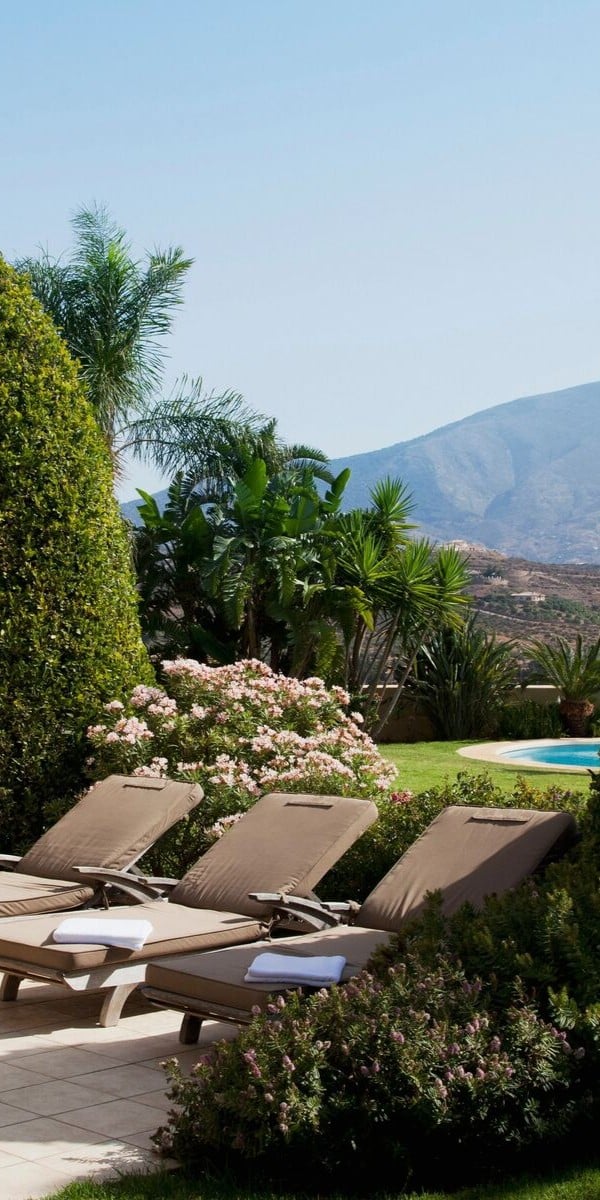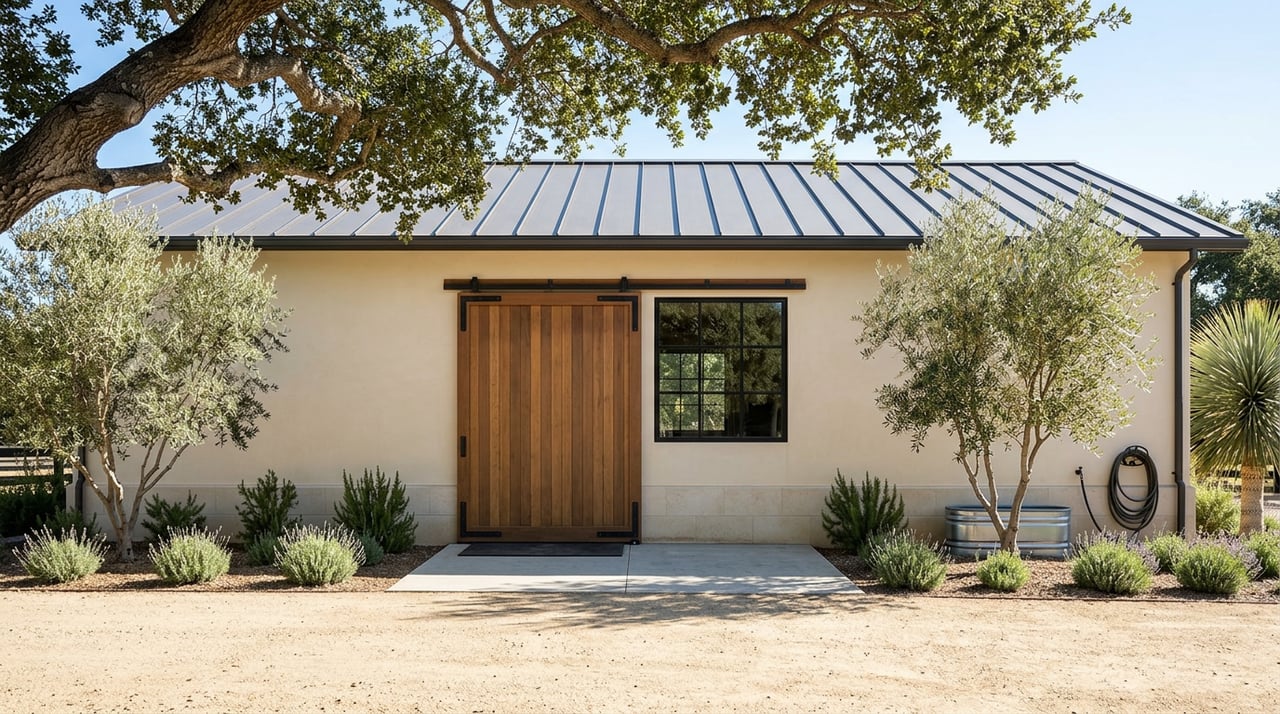
If you dream of riding from your backyard straight onto private bridle trails, Hidden Hills delivers that rare lifestyle in a guard-gated setting. You want space, privacy, and true equestrian infrastructure that supports daily routines, not just a “horse-friendly” label. In this guide, you’ll learn how the trail network, arenas, rules, and governance work so you can decide if life behind the gates is right for you. Let’s dive in.
Why Hidden Hills stands apart
Hidden Hills is a small, incorporated, guard-gated city with a distinct equestrian identity. It is governed by the City of Hidden Hills and the private Hidden Hills Community Association (HHCA), which manages the gates, roads, trails, and arenas for residents (City of Hidden Hills; HHCA).
City data list a population of about 1,725 and approximately 648 home sites, reflecting the community’s low-density, estate feel (City demographics). What truly sets it apart are community-maintained equestrian amenities: roughly 25 miles of bridle trails that weave through the neighborhood and three community riding arenas, plus additional rings and parks that support an active riding life (HHCA overview).
Trail network and riding arenas
Private bridle trails
The HHCA maintains an internal, resident-focused trail network described as about 25 miles of bridle paths that connect homes to arenas and open spaces within the gates. These trails are a managed community asset with rules set by the Association. You can view the system and plan your routes using the HHCA’s trail resources and map (HHCA trail map).
Community arenas you will use
Hidden Hills offers multiple community arenas with specific addresses and on-site features for day-to-day schooling and events:
- Saddle Creek Arena, 5208 Saddle Creek Road
- Spring Valley Arena, 6255 Spring Valley Road
- Lewis & Clark Arena, 24990 Lewis & Clark Road
According to the HHCA, these arenas include useful fixtures like round pens, defined dressage areas, water troughs, and at Spring Valley, event-oriented amenities such as a snack shack and bathrooms. Arenas support resident use and HHCA-organized programming (HHCA arenas).
The daily rhythm for horse owners
Owners who keep horses on-site often blend private barn care with community resources. A typical day might include morning turnout, a schooling session at Spring Valley or Saddle Creek, and a cool-out on the trails before evening feed. Because the arenas and trails are inside the gates, many riders can skip trailering for routine work and reserve off-site trips for longer excursions or specialized training (HHCA arenas).
Governance and CC&Rs
Hidden Hills life runs on a dual system: City government handles municipal services and permits, while the HHCA manages private roads, gates, and equestrian common areas, and enforces private CC&Rs and architectural standards (City overview; HHCA).
The community’s recorded CC&Rs establish foundational rules that shape the equestrian lifestyle:
- A one-acre minimum building-site rule preserves larger lots and an estate character.
- Accessory structures such as private stables, corrals, and farm buildings can be allowed, subject to Architectural Committee approval.
- The “Animals & Poultry” clause permits horses for pleasure (non-commercial use), with nuisance standards and Board authority to set conditions.
If you plan to add or modify barns, paddocks, arenas, or significant exterior improvements, you will need prior approval from the HHCA Architectural Committee. Many projects that require City permits also require Association sign-off, which can influence your project timeline (CC&Rs PDF; HHCA building rules; City municipal code).
Gates and showing logistics
Hidden Hills is a guarded, gated city with staffed entry points and published gate procedures, including protocols for trailers and vendors. Expect to coordinate guest lists and contractor access with gate staff. The HHCA also sets specific rules for real estate activity: licensed agents must present a valid California license or be admitted by a resident, and open houses are prohibited. These policies shape how you tour homes and how sellers market properties within the community (HHCA gates and guards; HHCA buying & selling).
Buyer due diligence checklist
Before you write an offer or remove contingencies, gather the right documents and inspect equestrian systems carefully. Use this checklist to guide your process:
Association documents and governance
- Request the HHCA resale packet, including CC&Rs, Bylaws, Rules & Regulations, and Architectural Standards. Read these before purchase.
- Ask for recent HHCA Board minutes and any updates on trail or arena policies, animal rules, and special assessments.
- Review the HHCA budget and reserve study to understand long-term funding for trails, arenas, roads, and potential assessments.
(HHCA buying & selling; HHCA home)
City and parcel records
- Verify permits for barns, stalls, arenas, grading, septic or sewer, driveways, and accessory structures.
- Confirm the recorded “building site” layout, which may not match assessor parcels exactly. The one-acre minimum is a recorded standard in the CC&Rs.
(CC&Rs PDF; City municipal code)
Equestrian inspections
- Barn structures: roof, drainage, electrical, lighting, ventilation, and fire safety.
- Fencing and gates: integrity, height, and security for horses.
- Turnout and paddocks: drainage, footing, and shade.
- Water supply: capacity for multiple animals; location of spigots and wash racks.
- Arena surfaces: footing type, grading schedule, and who maintains it.
- Manure management: storage, removal service, and odor controls consistent with CC&R nuisance standards.
Logistics and access
- Trailer access: confirm gate procedures for trailers and large vehicles in advance.
- Construction and deliveries: check allowed hours and contractor entry rules under HHCA building standards.
- Real estate touring: plan for private, appointment-based showings since open houses are not allowed.
(HHCA gates and guards; HHCA building rules; HHCA buying & selling)
Value drivers and market signals
In Hidden Hills, equestrian amenities can meaningfully influence value. Buyers often prioritize:
- Lot acreage and privacy, enabled by the one-acre minimum building-site rule.
- Existing barn capacity, including stall count, wash stall, tack and feed rooms.
- Direct access to the HHCA trail network and proximity to community arenas.
- Thoughtful equestrian layout: paddocks, turnouts, shelter, and safe fencing.
- The security and discretion of a guard-gated city.
Market snapshots show Hidden Hills trading in the multi-million-dollar range with thin inventory, which can make pricing sensitive to unique property features and timing. One independent source provides a helpful overview of list and sold price trends, though exact figures vary by period and provider (Rocket Homes market snapshot). For specific premiums on barns, arenas, and direct trail access, rely on very recent local comps and on-the-ground insights from your agent.
Local and national media have highlighted estate-scale equestrian properties here, reinforcing the premium that on-site amenities can command. For a sense of how the press frames these homes, explore Los Angeles Times coverage of Hidden Hills estates and their lifestyle features (LA Times real estate).
Open space and local services
While the HHCA trails support everyday riding, some owners look for longer loops and varied terrain. Riders often turn to the nearby Upper Las Virgenes Canyon Open Space Preserve, which allows equestrian use and has trailheads with trailer parking at select locations. It is a practical extension of the local riding experience when you want bigger mileage (Upper Las Virgenes preserve).
For gear, fittings, and everyday supplies, Calabasas Saddlery is a longstanding local tack resource serving Hidden Hills and surrounding communities. Expect a range of tack, apparel, helmet services, and supplies that make barn life smoother (Calabasas Saddlery).
Find your Hidden Hills fit
Equestrian living in Hidden Hills blends a private trail-and-arena network with estate-scale lots and clear rules that keep the community’s rural feel intact. If you value daily riding without trailering, the oversight of a capable Association, and the privacy of a guard-gated city, this enclave is worth a closer look. For a tailored search, property-by-property rule checks, and strategic guidance on value, connect with Valerie Punwar for a confidential conversation.
FAQs
Can you keep horses on a Hidden Hills lot?
- Yes, horses for pleasure are permitted by the CC&Rs, with accessory stables and corrals allowed subject to HHCA Architectural Committee approval and nuisance standards (CC&Rs PDF).
How many horses are allowed per property in Hidden Hills?
- The CC&Rs do not publish a universal numeric cap; practical limits depend on lot size, site layout, HHCA rules, and nuisance considerations, so verify with the HHCA and the seller’s file (CC&Rs PDF).
Do you need approval to add a barn or arena in Hidden Hills?
- Yes, most exterior work requires prior HHCA Architectural Committee approval and may also require City permits; plan both reviews into your schedule (HHCA building rules; City municipal code).
How do gates and rules affect home showings in Hidden Hills?
- Staffed gates control access; licensed agents must present credentials or be admitted by a resident, and open houses are prohibited, so expect private, appointment-only tours (HHCA gates and guards; HHCA buying & selling).
Where can you ride beyond HHCA trails near Hidden Hills?
- The Upper Las Virgenes Canyon Open Space Preserve offers extended trail options and allows equestrian use, with trailer parking at certain trailheads (Upper Las Virgenes preserve).
What recurring costs should equestrian owners plan for in Hidden Hills?
- Budget for feed and hay, farrier and vet, manure removal, arena dragging, water and drainage upkeep, and routine barn and fence maintenance, all within CC&R nuisance standards (CC&Rs PDF).