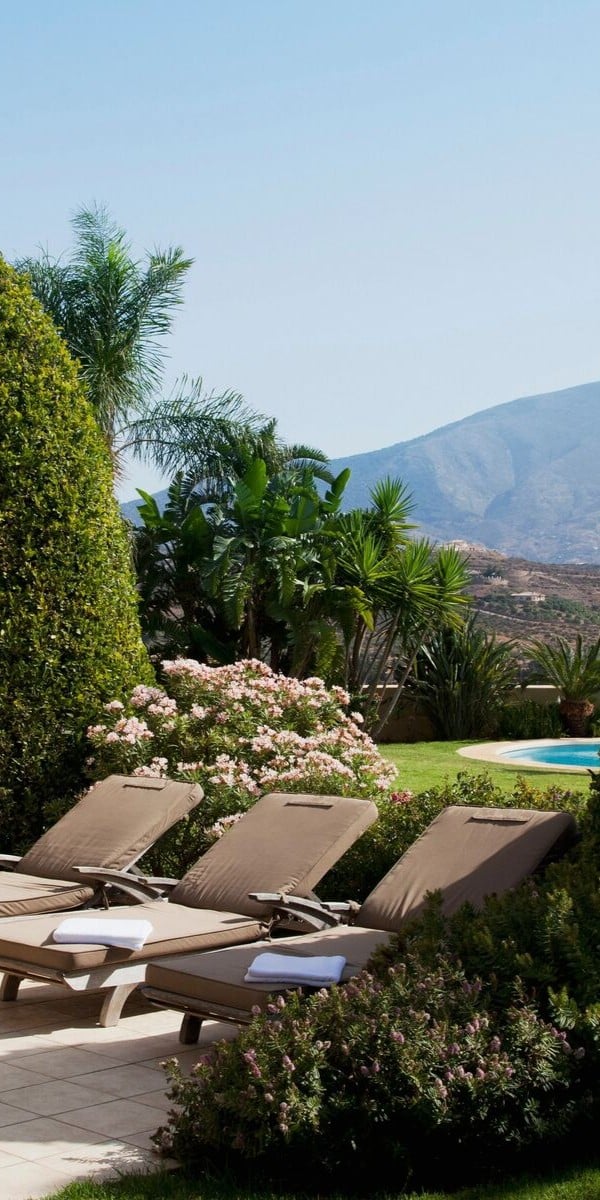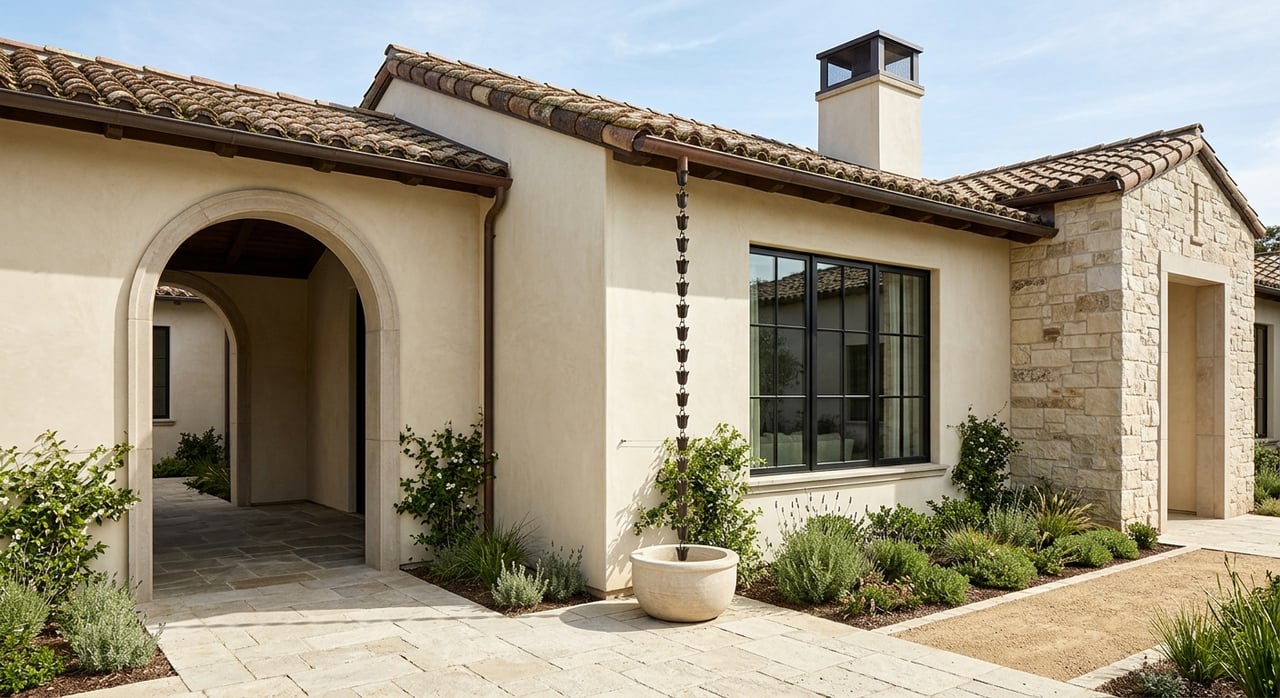
If you are thinking about buying in Hidden Hills, you are not just choosing a home. You are choosing a very specific way of living inside one of Los Angeles County’s most private and tightly governed communities. That can be exciting, but it also means your due diligence needs to go well beyond square footage and finishes. In this guide, you will learn what makes Hidden Hills different, what to watch for before you write an offer, and how to approach the process with confidence. Let’s dive in.
What makes Hidden Hills unique
Hidden Hills is an incorporated city in Los Angeles County, but it also operates with a strong layer of private community governance. The City of Hidden Hills handles municipal matters such as public safety, planning, and building and safety. The Hidden Hills Community Association, or HHCA, oversees 658 home sites, three gatehouses, about 25 miles of bridle trails, roads inside the gates, architectural review, and other community standards.
That split matters because when you buy here, you are buying into both a city and a private association structure. Your daily experience, future renovation plans, access rules, and carrying costs can all be shaped by HHCA requirements. In practical terms, Hidden Hills is not a typical luxury neighborhood purchase.
Hidden Hills home prices and market expectations
Hidden Hills is firmly a luxury market, but public sources show different ways of measuring value. Redfin reported a March 2026 median sale price of $6.2 million, with homes taking 193 days to sell and closing about 6% below list price on average. Zillow’s home value index placed the average Hidden Hills home at $5,252,332 as of April 30, 2026, while Realtor.com showed a median listing price of $9,425,000.
Inventory also varies by source, which is common in a niche luxury market. Zillow showed 15 homes in inventory, while Realtor.com showed 40 active homes. Current public listings ranged from about $3.49 million to $26.775 million for homes, with land parcels from 1.16 to 2.51 acres listed from $3.75 million to $6.75 million.
For you as a buyer, the takeaway is simple. Hidden Hills usually means estate properties on large lots, not standard suburban housing. You may be comparing properties with guest houses, pools, horse facilities, and oversized garages, so value often depends on land use, improvements, and approval history as much as the residence itself.
Gate access changes how you shop
One of the first things buyers notice is that Hidden Hills does not function like an open neighborhood search. HHCA states that real estate agents must have a current California license or resident admission to enter the community. Prospective buyers who are not otherwise authorized may enter only in a licensed agent’s vehicle.
HHCA also prohibits open houses and bans for-sale signs, balloons, banners, and flags. That means your home search will likely feel more private and more curated than in other areas. It also means working with a knowledgeable local representative can make the process more efficient, especially when coordinating access and comparing properties across a gated inventory.
Know the rules before you make an offer
In Hidden Hills, the governing documents are not background paperwork. They are central to the purchase decision. HHCA recommends that buyers review the Architectural Standards, Rules and Regulations, Bylaws, CC&Rs, and past board minutes before making an offer.
That advice is especially important if you expect to personalize the property after closing. HHCA notes that scanned copies of documents may contain errors and directs owners to the office for the actual documents, so you should confirm that you are reviewing the correct and current materials. During escrow, you should also request authorization from the current owner to inspect the property file when appropriate.
Architectural approvals are broad
Many buyers are surprised by how much exterior work requires approval in Hidden Hills. HHCA says prior approval is required for exterior changes including painting, windows, doors, roofs, landscaping, tree planting or removal, driveways, hardscape, retaining walls, and concrete work. Plans for structures such as dwellings, garages, stables, pools, tennis courts, fences, service yards, and accessory buildings must be submitted in three professionally drawn sets at least ten days before the committee meeting.
There is another key point here. The city does not issue building permits without architectural approval from HHCA. If you are buying a home with the intent to remodel, expand, add equestrian features, or rework the grounds, you should evaluate those plans early and realistically.
Assessments are part of your true cost
In a community like Hidden Hills, purchase price is only one part of the financial picture. HHCA handles assessments, and board records show annual assessment invoices and delinquency timelines being tracked by the association. The published rules also state that privileges can be suspended automatically when assessments are more than 30 days delinquent.
Before you remove contingencies, confirm the current assessment amount, payment schedule, and whether any special assessments apply. This is a basic but important step in understanding your monthly and annual carrying costs. On a large estate property, community assessments and property upkeep should be viewed together.
Estate due diligence goes beyond the house
Large-lot properties require a wider inspection lens. You are not only evaluating the residence itself, but also drainage, grading, retaining walls, access, outbuildings, hardscape, vegetation, and site maintenance. Recent HHCA references to slope failures and a grading and drainage repair plan highlight why these issues deserve close review.
If a property includes retaining walls or hillside improvements, verify permits, approval history, and whether any unresolved site issues remain. On estate properties, land conditions can materially affect your future costs and project timelines. A beautiful lot should still be tested like a serious asset.
Hidden Hills is truly horse-oriented
Hidden Hills describes itself as a rural, horse-oriented community, and the rules support that identity. HHCA’s trail handbook says the trail system spans about 25 miles and is reserved for equestrians and pedestrians only, with vehicles prohibited. Horses and livestock have the right-of-way, and even loose-horse procedures involve the gates and a community loose-horse patrol.
This matters whether or not you own horses. If you love the equestrian environment, that infrastructure is a meaningful benefit. If you are considering horse facilities, then stables, fencing changes, arenas, and related improvements should be reviewed carefully for approval status, setbacks, and trail adjacency before you commit.
Service and construction rules affect ownership
Hidden Hills has stricter service and construction standards than many buyers expect. HHCA building rules limit approved construction to certain weekday and Saturday hours, prohibit construction on Sundays and holidays, and treat some routine services, including gardening and pool service, as construction for gate-entry purposes. Dumping debris into streets, swales, parkways, or bridle trails is also prohibited.
The city added 2025 construction and demolition standards that require screened waste containers, daily cleanup of roads, parkways, and trails, and compliance with red-flag restrictions. New pools must also include fire-department draft hydrants. If you are planning updates after closing, these rules can affect cost, timing, and contractor logistics.
Wildfire readiness should be part of inspections
Wildfire and brush-clearance review should be on every Hidden Hills buyer checklist. The city states that annual brush-clearance inspections begin May 1 for about 3,000 Hidden Hills and Calabasas properties, and owners have 30 days to correct violations. The city also states that Red Flag Warning restrictions prohibit outdoor grills, open flames, smoking, and spark-producing gas or propane tools.
Gas-powered leaf blowers are prohibited citywide as well. For buyers, this means wildfire readiness is not abstract. You should look closely at defensible space, vegetation management responsibilities, and how the property has been maintained in relation to local fire-safety requirements.
A smart Hidden Hills buying checklist
Before you move forward on a Hidden Hills purchase, make sure you have answers to the basics below.
- Confirm current HHCA assessments and any special assessments
- Review CC&Rs, rules, bylaws, architectural standards, and relevant board minutes
- Verify gate access procedures for showings, inspectors, and vendors
- Check approval history for exterior improvements and accessory structures
- Review permits for grading, drainage, retaining walls, pools, and site work
- Evaluate wildfire compliance and brush-clearance obligations
- Confirm whether horse facilities, stables, or fencing changes were approved
- Understand construction-hour limits and service-entry restrictions
- Inspect the property file when authorization is available
Why local guidance matters in Hidden Hills
Because Hidden Hills combines luxury pricing, private gate access, estate-scale due diligence, and broad architectural control, the buying process can be more layered than it first appears. The right property may check every box on paper but still require a deeper review of approvals, site conditions, and ownership obligations. That is where careful representation becomes valuable.
When you are buying in a market like this, you want clear guidance, strong coordination, and thoughtful negotiation from the start. Valerie Punwar Associates brings deep knowledge of the Calabasas and Las Virgenes corridor, high-touch client service, and experienced advocacy for buyers navigating gated luxury communities. If you are considering a move to Hidden Hills, connect with Valerie Punwar for personalized guidance.
FAQs
What should buyers know about Hidden Hills community governance?
- Hidden Hills is governed by both the City of Hidden Hills and the Hidden Hills Community Association, so you should review both municipal requirements and HHCA rules before buying.
What is the Hidden Hills price range for homes and land?
- Public listings showed homes from about $3.49 million to $26.775 million and land parcels from about $3.75 million to $6.75 million, though values vary by lot size, improvements, and approval history.
What are the showing rules for Hidden Hills buyers?
- HHCA states that prospective buyers may enter only through approved access procedures, typically with a licensed agent, and open houses are prohibited.
What improvements require Hidden Hills architectural approval?
- HHCA says most exterior modifications require prior approval, including paint, windows, doors, roofs, landscaping, retaining walls, driveways, pools, garages, stables, fences, and accessory structures.
Why is due diligence different for Hidden Hills estate homes?
- Estate properties often require added review of grading, drainage, retaining walls, brush clearance, permit history, and community approval records in addition to the home itself.
What should horse-property buyers review in Hidden Hills?
- Buyers interested in equestrian use should verify approval status for stables, fencing, arenas, and related improvements, along with trail adjacency and applicable setbacks.